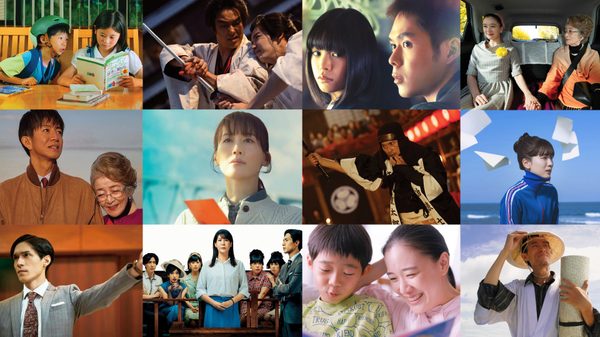
The Vancouver Japanese Film Festival is a new initiative of the Japanese Canadian Cultural Centre’s film program which includes the acclaimed Toronto Japanese Film Festival.
Established 63 years ago by Japanese Canadians displaced from the West Coast, the Japanese Canadian Cultural Centre has served as a national organization promoting Japanese culture and Japanese Canadian heritage for all Canadians. Its motto, Friendship Through Culture, is reflected in all aspects of its work, including its film programming.
This Vancouver Japanese Film Festival builds on 15 years of curatorial excellence. Since its founding in 2012, the festival has become one of North America’s most important platforms for Japanese cinema, presenting films recognized by Japanese audiences and critics, international film festival audiences, and the Japanese Academy. Its line-up spans historical jidaigeki and samurai films, contemporary dramas, comedies, action, literary adaptations, documentaries, children’s films, art-house, and anime.
I think what makes the Festival so special is the wonderful job it does in capturing the current state of the Japanese film industry. The programming conveys a sense of what is really happening in the world of Japanese cinema. By including popular films, we can get a better understanding of the country. These choices ensure Toronto audiences can experience a true sense of contemporary Japan.
Takashi Yamazaki (Academy Award-winning Director, Godzilla Minus One, Always: Sunset on 3rd Street)
Programming for the Vancouver Japanese Film Festival follows the same model: to present a line-up that is accessible, artistically strong, culturally meaningful, and reflective of Japan’s contemporary creative landscape.

Tokyo Taxi
An overworked taxi driver takes 85-year-old Madame Sumire on a final journey through Tokyo, revisiting the places that shaped her life. Yoji Yamada’s 91st film is a moving, heartwarming love letter to Tokyo, nominated for nine Japanese Academy Awards.
This event has passed.

Blue Boy Trial
Transgender filmmaker Kasho Iizuka revisits 1960s Japan and the sensational “Blue Boy Trial,” sparked by the arrest of a doctor performing sex reassignment surgeries. With trans actors in central roles, the film powerfully illuminates buried history, identity, dignity, and resilience.
This event has passed.

Samurai Vengeance
In Edo-era Japan, a young kabuki actor’s celebrated revenge becomes legend. When a provincial samurai investigates the truth behind the vendetta, conflicting testimonies expose hidden motives and buried secrets in this atmospheric jidaigeki mystery about rumor, performance, and myth.
This event has passed.

How Dare You?
A bug-loving boy, a passionate classmate, and a troublemaker launch playful eco-protests against their town’s careless habits. As their missions escalate, they face real consequences in Director O’s witty, bittersweet Grand Jury Prize winner from the Toronto Japanese Film Festival.
This event has passed.

One Last Love Letter
In 2024, Nazuna writes to the young man she secretly loved as a teenager. Her letter reaches his grieving father, revealing memories of Shinsuke, an aspiring boxer killed in the 2000 Naka-Meguro train disaster, and opening a tender exchange.
This event has passed.

Aruku - I Walk
This meditative documentary, captures the stories of four contemporary pilgrims on the Shikoku 88 Temple Pilgrimage as they follow in the footsteps of master Kūkai, the monk who shaped Japanese Buddhism. Each is burdened, in different ways, by exhaustion, solitude, or quiet disillusionment.
This event has passed.

KAKU KAKU SHIKA JIKA fka Blank Canvas: My So-Called Artist's Journey
Adapted from acclaimed manga artist Akiko Higashimura’s autobiographical manga is a funny and sharply observed coming-of-age story about the creative awakening of a master of manga.
This event has passed.